
The WHO updated its guidance on 20 October saying that the virus can spread after infected people sneeze cough on or touch surfaces or objects such as tables doorknobs and handrails. When the population has little to no immunity people are more susceptible to the disease.
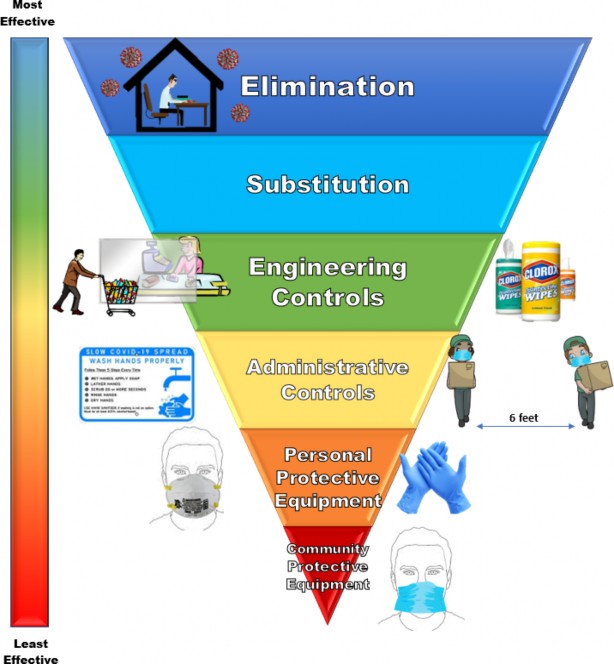
Covid 19 Hierarchy Of Controls Environment Health And Safety
The risk of COVID-19 spreading is especially high in places where these 3Cs overlap.

Which types of settings does COVID-19 spread more easily?. However there are some settings where COVID-19 is more easily spread. Get vaccinated as soon as you are. COVID-19 is spread in three main ways.
This variant appears to spread more easily. Close-contact settings especially where people have conversations very near each other. The CDC report said.
A major reason for this is that the behaviors and traits of. It also reduces the effectiveness of some monoclonal antibody medications and the antibodies generated by a previous COVID-19 infection or COVID-19 vaccine. Having these small droplets and particles that contain virus land on the eyes nose or mouth especially through splashes and sprays like a cough or sneeze.
What makes some settings higher risk for spreading COVID-19. While the basic outlines of disease transmission have not been upended by COVID-19 there are some nuances that could play an important role in the spread. This COVID-19 variant appears to spread more easily and might have an increased risk of hospitalization and death.
Confined and enclosed spaces with poor ventilation. A new study suggests one reason why SARS-CoV-2 the virus that causes COVID-19 is much more. 21 variable estimates due to ongoing pandemic Ebola.
So its reasonable to think that the same may be true for the COVID-19 coronavirus. If you are not fully vaccinated against COVID-19. The findings demonstrate that Sars-CoV-2 spreads efficiently in a youth-centric overnight setting resulting in high attack rates.
The virus can spread through saliva and mucus and kissing can easily transmit COVID-19. An increase in the number of cases will put more strain on healthcare resources lead to more hospitalizations and potentially more deaths. Kissing carries high risk of COVID-19 transmission due to high levels of virus in saliva.
These variants seem to spread more easily and quickly than other variants which may lead to more cases of COVID-19. For instance poorly ventilated indoor areas seem especially conducive to the viruss spread. Maintain at least six feet of distance between yourself and others.
Concerns have been raised about what the Northern Hemisphere can expect once winter arrives there. The bubonic plague during. The following actions help prevent the spread of COVID-19 as well as other coronaviruses and influenza.
Some viruses such as measles are highly contagious. Much remains unknown about how SARS-CoV-2 the virus that causes COVID-19 spreads through the environment. The problem with the SARS-CoV-2 is the high viral shedding by asymptomatic patients or people who have just begun to feel sick.
Both spread primarily through respiratory droplets. So far studies suggest that the current authorized vaccines work on the circulating variants. Other viruses such as the virus that causes COVID-19 spread more easily because they are new.
How easily does the COVID-19 virus spread. By Rachael Rettner - Senior Writer 25 February 2021. A preliminary analysis of.
Last month the results of a COVID-19 study in New South Wales Australia suggested the disease spreads faster in periods of lower humidity during winter. Flu viruses survive and are transmitted more easily in cold dry air. Breathing in air when close to an infected person who is exhaling small droplets and particles that contain the virus.
We know that COVID-19 can be spread rapidly in environments where there is crowding lack of ventilation increased breathing from exercise or loud talking or singing. If another person inhales enough of those droplets theres a solid chance theyll get sick too. Wear a face mask as advised by the CDC.
In New York for example contact tracing has shown that 70 of new cases come from small gatherings and households. They describe settings where transmission of the COVID-19 virus spreads more easily. Some of them are environmental.
Why COVID-19 spreads more easily than SARS. The main way COVID-19 spreads from person to person is thought to be through large respiratory droplets expelled from an infected person when they exhale sneeze cough etc.

Modes Of Transmission Of Virus Causing Covid 19 Implications For Ipc Precaution Recommendations World Reliefweb
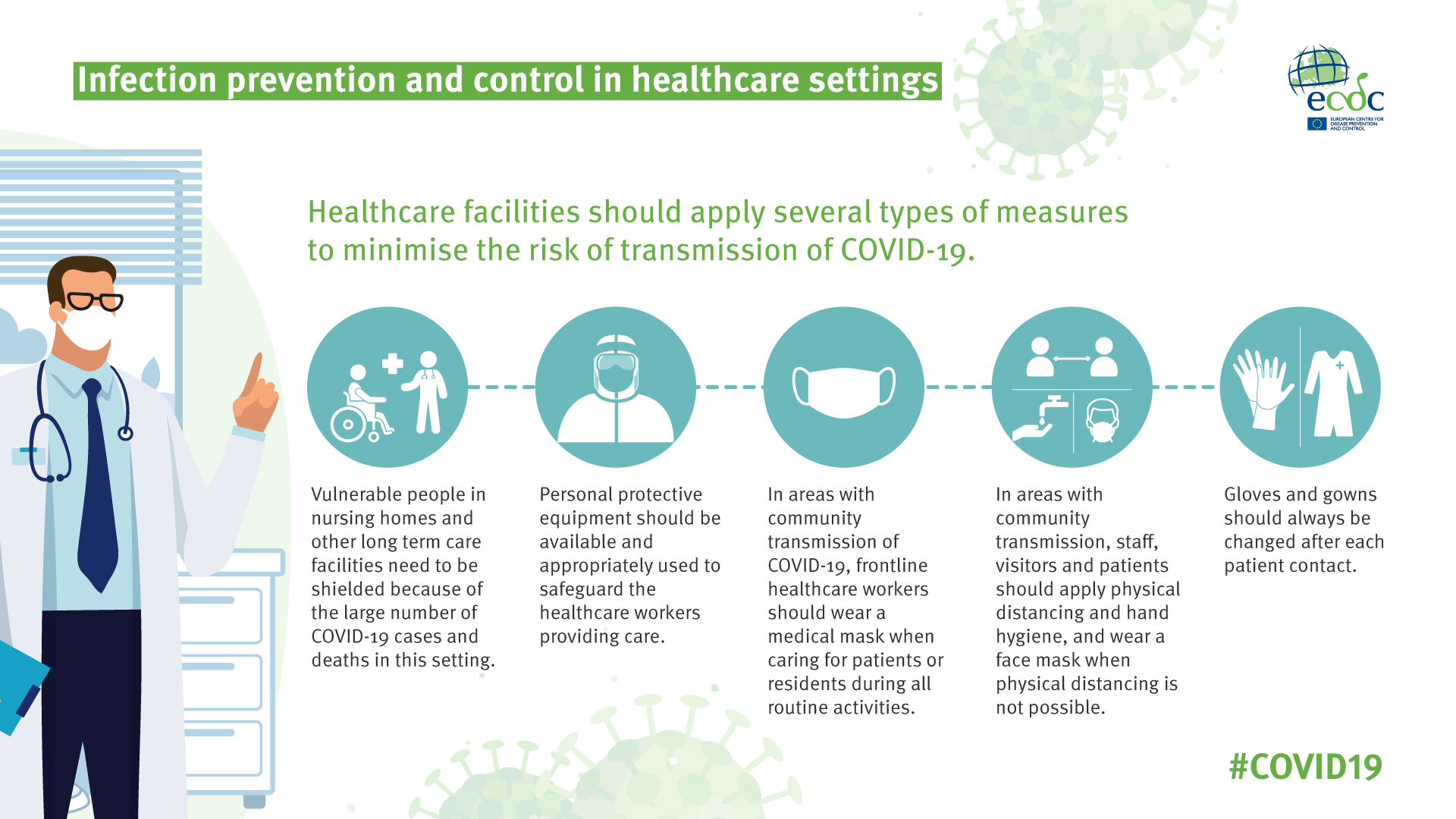
Infographic Infection Prevention And Control In Primary Care
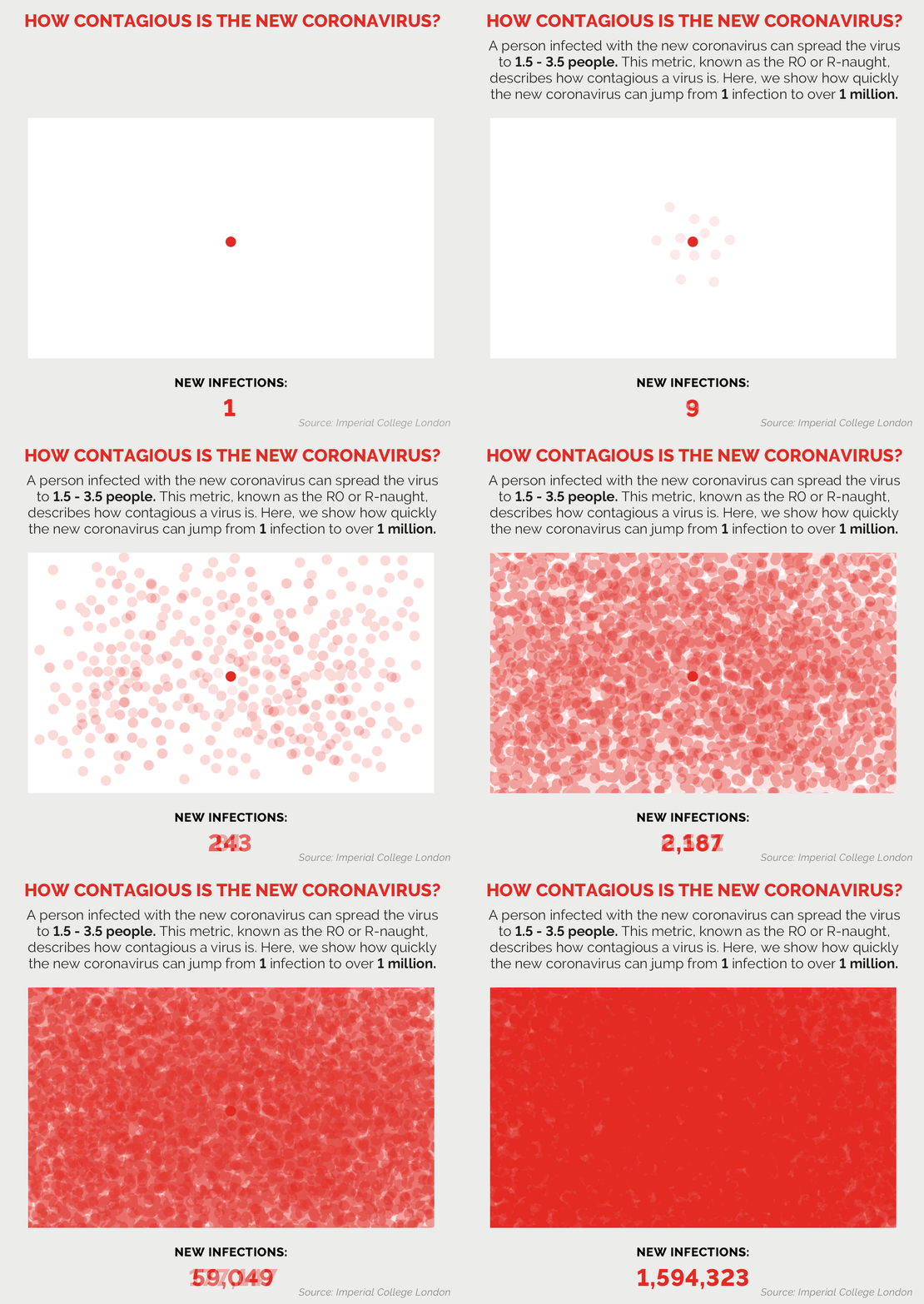
Coronavirus Prevention How To Protect Yourself From Covid 19

Covid 19 Variants Set Difficulties Uncertainties In Global Fight Against Pandemic

Novel Coronavirus Covid 19 What You Should Know Unicef Indonesia
Physical Distancing And How To Avoid Covid 19 Healthdirect

Novel Coronavirus Covid 19 What You Should Know Unicef Indonesia
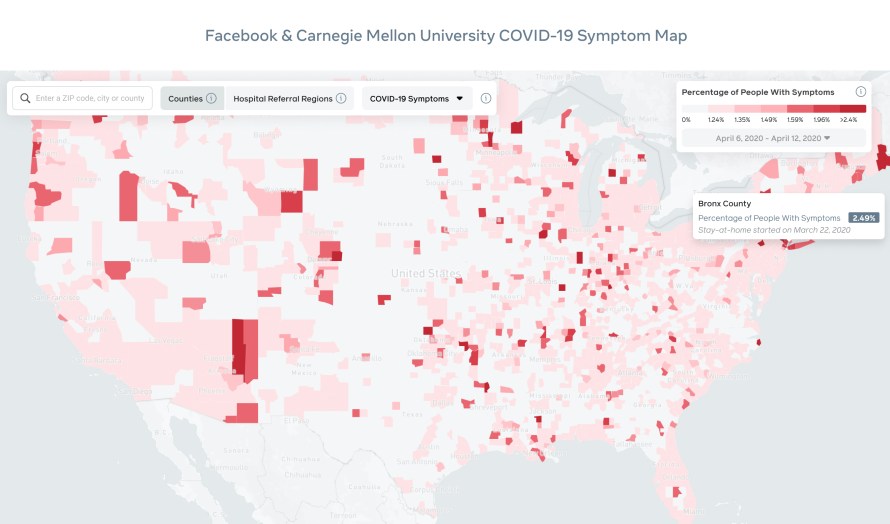
Keeping People Safe And Informed About The Coronavirus About Facebook

Implementation Of Antigen Rdt Ag Rdt To Detect Covid 19 Cases In Indonesia

A Portrait Of The Coronavirus At 1 How It Spreads Infects And Sickens

Novel Coronavirus Covid 19 What You Should Know Unicef Indonesia

Implementation Of Antigen Rdt Ag Rdt To Detect Covid 19 Cases In Indonesia

Novel Coronavirus Covid 19 What You Should Know Unicef Indonesia

Intensive Care Management Of Coronavirus Disease 2019 Covid 19 Challenges And Recommendations The Lancet Respiratory Medicine
:max_bytes(150000):strip_icc()/coronavirus-covid-19-timeline-4798671-v1-a54620fec86b422b87fe00f8a63f208e.jpg)
Covid 19 Coronavirus Disease 2019 Timeline

Toolkit To Spread Awareness And Take Action On Covid 19 Unicef Indonesia

What Is Covid 19 And How Is It Passed On Avert

Novel Coronavirus Covid 19 What You Should Know Unicef Indonesia
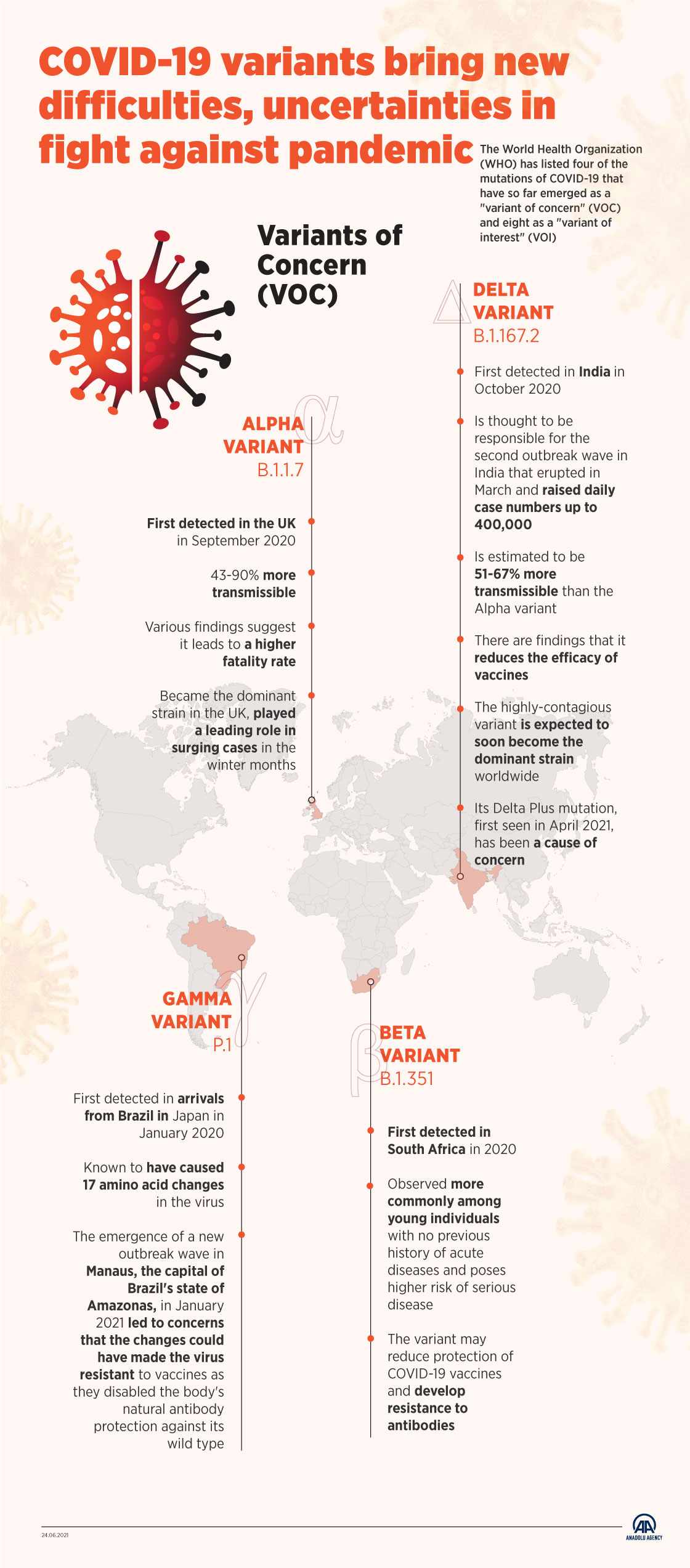
Covid 19 Variants Set Difficulties Uncertainties In Global Fight Against Pandemic
No comments:
Post a Comment